.webp)
In This Article
Related Posts




Even though I promise myself that I'll be better prepared this year, my skin reacts in the same way every winter. After washing my face, I first feel tight, followed by some flaking around my chin or nose. No matter how carefully I apply makeup, it eventually begins to sit strangely. Winter has a way of revealing the true fragility of our skin barrier.
The lack of moisture in cold outdoor air becomes worse by indoor heating. When combined, they extract water from the skin more quickly than it can replace it. When winter arrives, even people who don't experience dryness during the rest of the year frequently notice that their skin feels uncomfortable.
Why Winter Is So Hard on Skin
Dryness is ideal during the winter months. While heated interior spaces significantly reduce humidity levels, cold air weakens the skin's protective barrier. Furthermore, hot showers—which are soothing in the winter—can remove the natural oils that typically keep skin balanced.
Skin becomes less flexible and more reactive over time as a result of this continuous moisture loss. Products that performed well in the warmer months might now seem to be doing nothing. Your skin's needs have changed with the season, not because it has changed permanently.
The Dry Skin Symptoms Most People Notice
Although the appearance of dry winter skin varies, some patterns are typical. A persistent tightness is something that many people experience, particularly after cleansing. Flaking frequently occurs in areas that lose moisture more quickly, such as the mouth, nose, or eyebrows.
Even those who don't think their skin is sensitive frequently experience redness and mild irritation. Makeup may stick to dry areas rather than blending seamlessly, and skin may appear uneven or dull. Both dry, oily, sensitive, and acne-prone skin types may experience these symptoms.
Small Lifestyle Shifts That Make a Difference
Changing daily routines can help lessen the strain winter puts on your skin before reaching for additional products. The amount of moisture in the air can be significantly increased by using a humidifier in areas where you spend the most time, particularly bedrooms. Overnight, this minor adjustment frequently results in more comfortable skin.
Showering habits are also important. Natural oils can be preserved by lowering the water temperature and shortening showers. Instead of rubbing the skin dry after a bath, gently pat it dry to avoid further irritation. Hydration is more effectively locked in when moisturizer is applied while skin is still slightly moist.
Dryness can also be influenced by what you wear. When worn directly against the face or neck, rough materials like wool can aggravate skin that is already sensitive. In the winter, softer materials like cotton are typically more forgiving. Even though thirst signals aren't as noticeable in cold weather, staying hydrated throughout the day promotes skin health.
Product Support That Helps Without Overdoing It
Winter skincare is most effective when it prioritizes protection and repair over harsh treatments.
Natural oils can be preserved with a mild cleanser that doesn't foam too much. Rich creams that contain shea butter, glycerin, or ceramides strengthen the skin's barrier and stop moisture loss. Overnight sealing is possible with occlusive products.
I Love Using These Products
.webp)
CeraVe
Moisturizing Cream
$15
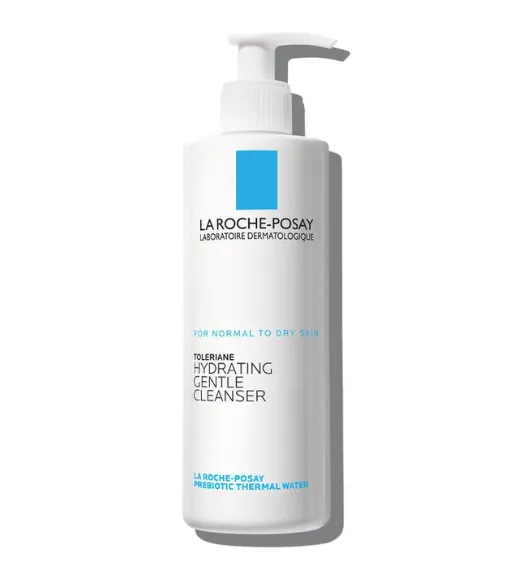
La Roche-posay
Hydrating Gentle Cleanser
$20
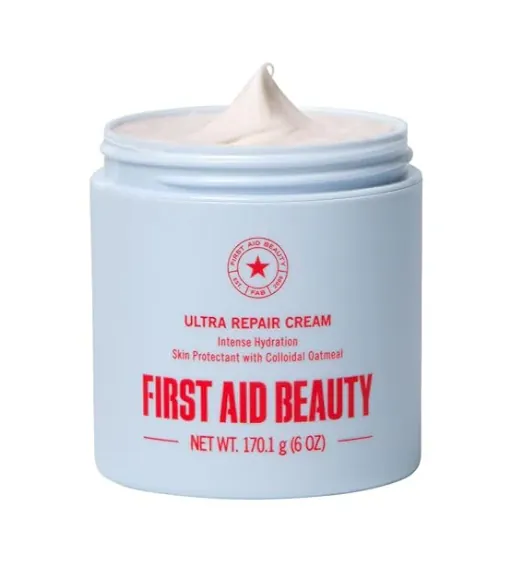
First Aid Beauty
Ultra Repair Cream
$42
These types of products focus on comfort and consistency rather than instant results.
Adjusting Care for Different Skin Types
In winter, heavier creams with fewer active ingredients are typically better for dry skin. Simplified routines and fragrance-free formulas often work best for sensitive skin. Reducing exfoliation is another way to lessen irritation.
It can be confusing because skin prone to acne can still become dehydrated in cold weather. Avoiding moisturizer frequently results in more breakouts and an increase in oil production. Moisturizers that are nourishing but lightweight aid in maintaining equilibrium without clogging pores. Instead of using harsh treatments, winter is frequently a good time to concentrate on hydration and barrier repair.
When It’s Time to Get Extra Help
While occasional dryness is common in the winter, persistent symptoms need to be addressed. It might be worthwhile to see a dermatologist if flaking gets severe, cracking appears, or irritation doesn't get better with standard care. Eczema and contact dermatitis are two conditions that frequently get worse in cold weather and may need medical attention.
A Gentler Way to Handle Winter Skin
Winter skincare isn’t about chasing perfection or glow. It’s about helping skin feel comfortable again. Small habit changes, supportive products, and patience usually make more difference than adding complicated steps. Most of the time, treating dry, flaky skin is less about doing more and more about doing the right few things consistently until warmer weather returns.
ALSO READ: These Barrier Creams Saved My Skin When Nothing Else Worked

Briar Holloway
Briar Holloway is a bold beauty editor obsessed with skincare, trends, and honest reviews—bringing real talk, fresh energy, and viral-worthy insights daily.